
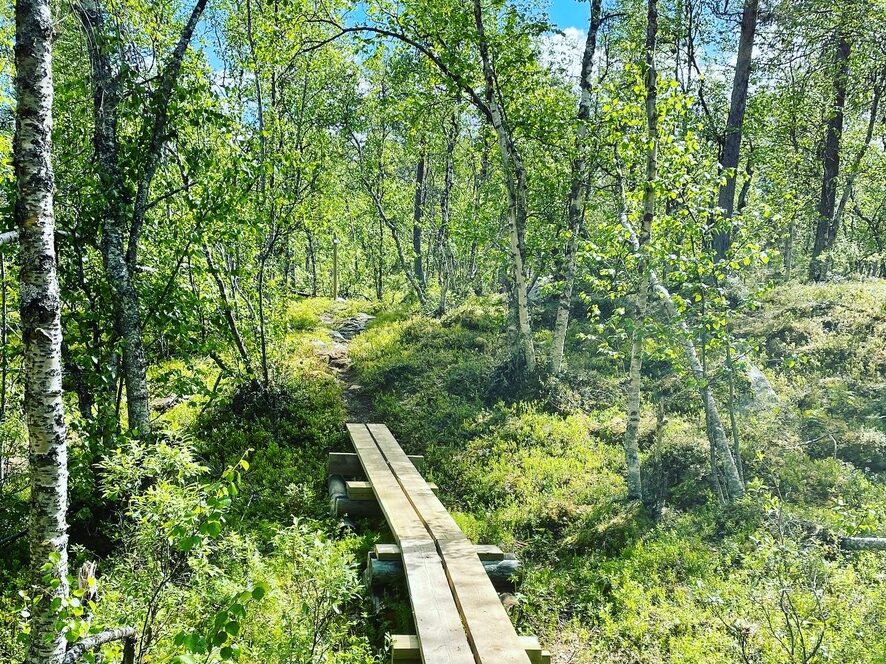
A group of foundations led by the TAH Foundation has distributed nearly half a million euros for nature trips for children and young people. Cooperation between very different foundations requires flexibility, a shared purpose, leadership and a strong implementing partner, the foundations say.
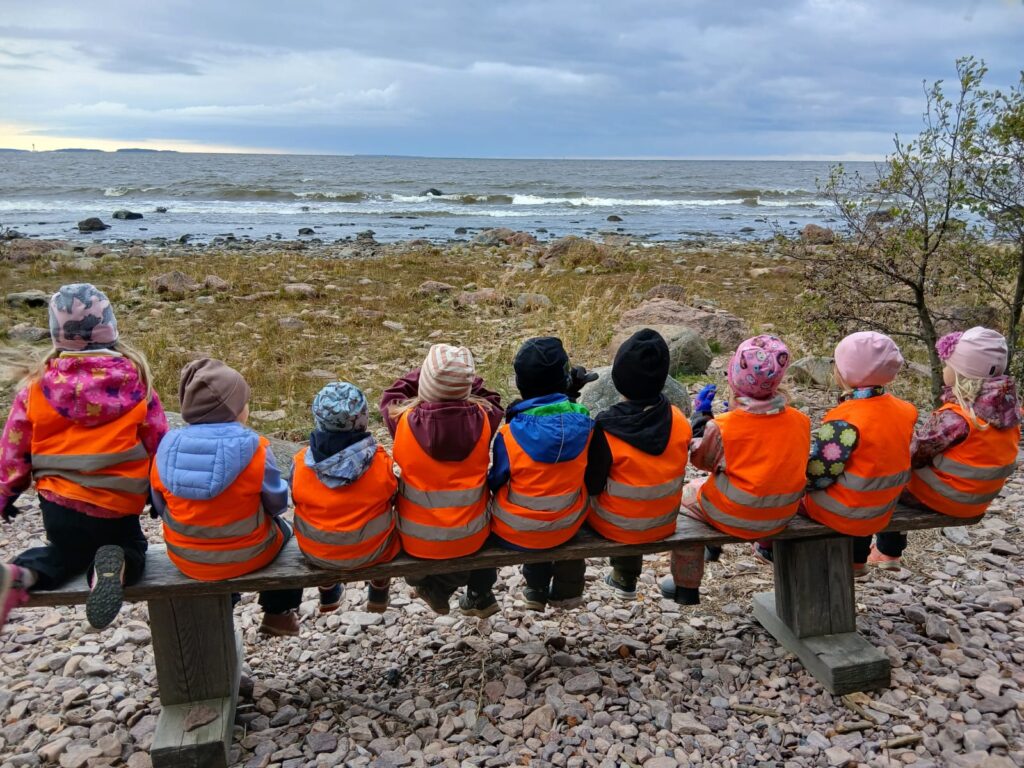
In spring 2026, a joint grant from six foundations supported 197 nature trips for children and young people, involving nearly 10,000 participants across Finland. Over three years, the foundations have distributed a total of €430,000.
The funding has taken the form of a nature trip grant, enabling groups from early childhood education, primary schools and upper secondary education to take part. The initiative was originally launched by the TAH Foundation alone, but it quickly became clear that broader support base would be needed.
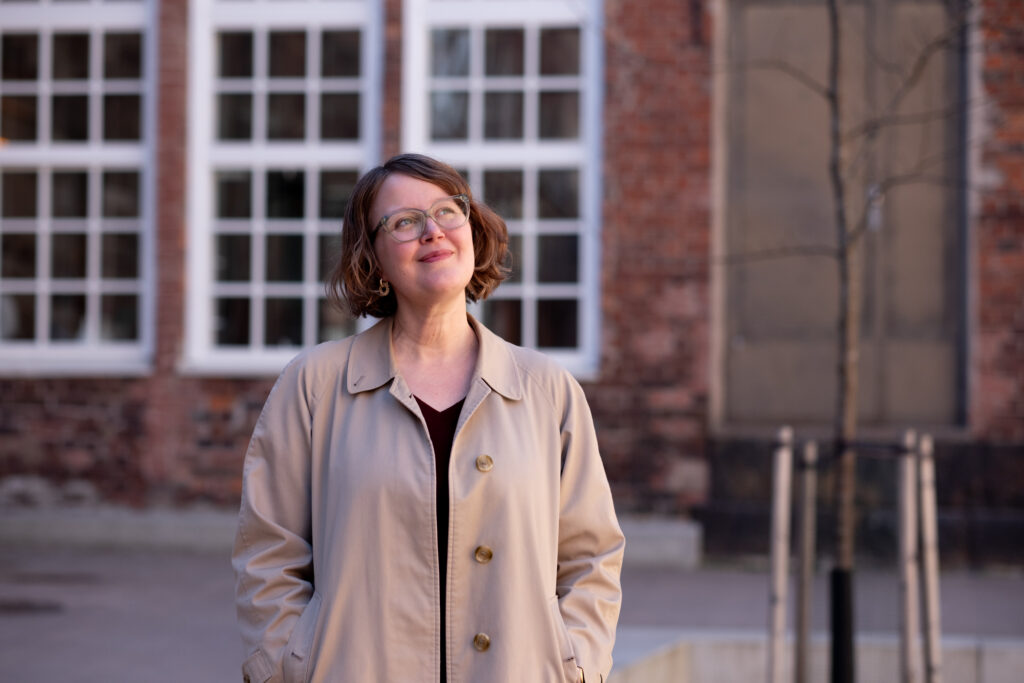
“We received such a flood of applications that we had to shut down the entire application system, as we realised the available funding would not come even close to meeting demand,” says Henna Hakkarainen, Executive Director of the TAH Foundation.
The demand highlighted a genuine problem: many teachers would like to take children into nature for learning, but schools cannot afford such trips. The TAH Foundation therefore began seeking partner foundations to co-fund the scheme, and the number of participating foundations has grown year by year.
Cooperation requires flexibility and shared intent
What does effective cooperation between foundations require? According to Hakkarainen, there is no universal answer, as collaborations vary widely. However, a combination of flexibility and a clear shared goal is essential.
The other participating foundations largely agree.
“The key factor is that the foundations involved share a common purpose around a particular issue,” says Sinikka Aapola-Kari, Ombudsman at the Alli Paasikivi Foundation.
Legislation already requires that funding targets align with each foundation’s purpose. Outi Kuittinen, Managing Director of the Relex Foundation, notes that foundations still have some discretion in how strictly they interpret that purpose.
“It is important that each foundation’s purpose is fulfilled, but beyond that, the work should not be made unnecessarily difficult,” she says.
Nature trips for children and young people fit naturally within many foundations’ missions. However, some participating foundations have geographical or linguistic priorities regarding who they can support. For example, the Brita Maria Renlund Memorial Foundation emphasised that all communications and application materials should be available in both Finnish and Swedish.
“We are a Swedish-language foundation, and we believe children and young people must have equal opportunities,” says Annika Ekblad, Senior Adviser at the foundation. “We have received very positive feedback on this.”
Outi Kuittinen notes that it was relatively easy within the collaboration to ensure funding reached specific regions and language groups, while foundations without such restrictions could support other areas.
Henna Hakkarainen also highlights that foundations could contribute different amounts while maintaining equality within the partnership.
Although foundations are careful to fulfil their stated purposes, Hakkarainen points out that they can otherwise act with agility. Compared with civil society organisations or political parties, foundation boards have broad decision-making powers.
“Other actors may need to navigate bureaucracy, funder requirements, memberships or voters. For foundations, this kind of straightforward cooperation is possible.”
Leadership and implementation are crucial
Goodwill alone is not enough to build cooperation; leadership is also essential, many foundations stress. Mika Piiroinen, Managing Director of the Urlus Foundation, emphasizes that joint projects require a lead foundation.
“But the rest of us must also commit fully and contribute our share.”
Leena Rekola-Nieminen of the Eileen Starckjohann and Thelma Starckjohann-Bruun Foundation agrees.
“Successful cooperation requires a driving force — an organisation able to invest time in moving the project forward. This makes it easy for those who can only contribute funding to take part.”
Many foundations have limited staff resources, leaving little time for additional administrative work. It is therefore important to make participation straightforward.
“In grant-making generally, it is worth making use of existing structures and supporting them rather than building something entirely new,” Rekola-Nieminen says. “At the same time, you can see that the funds are delivering the intended benefits.”
In this joint initiative, the Scouts and Guides of Finland handle application processing and practical arrangements. No single foundation would have been able to manage thousands of applications and related enquiries from schools, and all participants praise the Scouts’ contribution.
“The Scouts as a partner have been absolutely essential to this cooperation,” says Hakkarainen.
The Scouts also selected grant recipients based on jointly agreed criteria. The collaboration has been extremely straightforward, says Kuittinen.
“We meet once or twice, make a decision within the foundation, and transfer the funds to the TAH Foundation, which handles agreements with the Scouts.”
The TAH Foundation has also provided communications materials that each foundation can adapt for its own use.
Milla Karkulahti, Communications Officer at the Alli Paasikivi Foundation, says the collaboration offers a strong model for how foundations and the non-profit sector can work together.
“It enables both implementers and funders to carry out activities that they might not be able to achieve on their own.”
Trusting teachers on content
While flexibility is important, some firmness is also needed. Kuittinen stresses that the initiating foundation must hold firm to the project’s purpose: in this case, enabling children to experience nature. The foundations did not attempt to impose their own content on the trips.
“It was excellent that the TAH Foundation insisted that we do not interfere with the content.”
Hakkarainen agrees. Attempting to incorporate the perspectives of all participating foundations into teaching content could have made the project unmanageable. Instead, the foundations chose to rely on national curricula.
“We have received reports showing that pupils have learned not only subject content but also social skills, cooperation, flexibility and how to cope with minor setbacks.”
Learning from nature
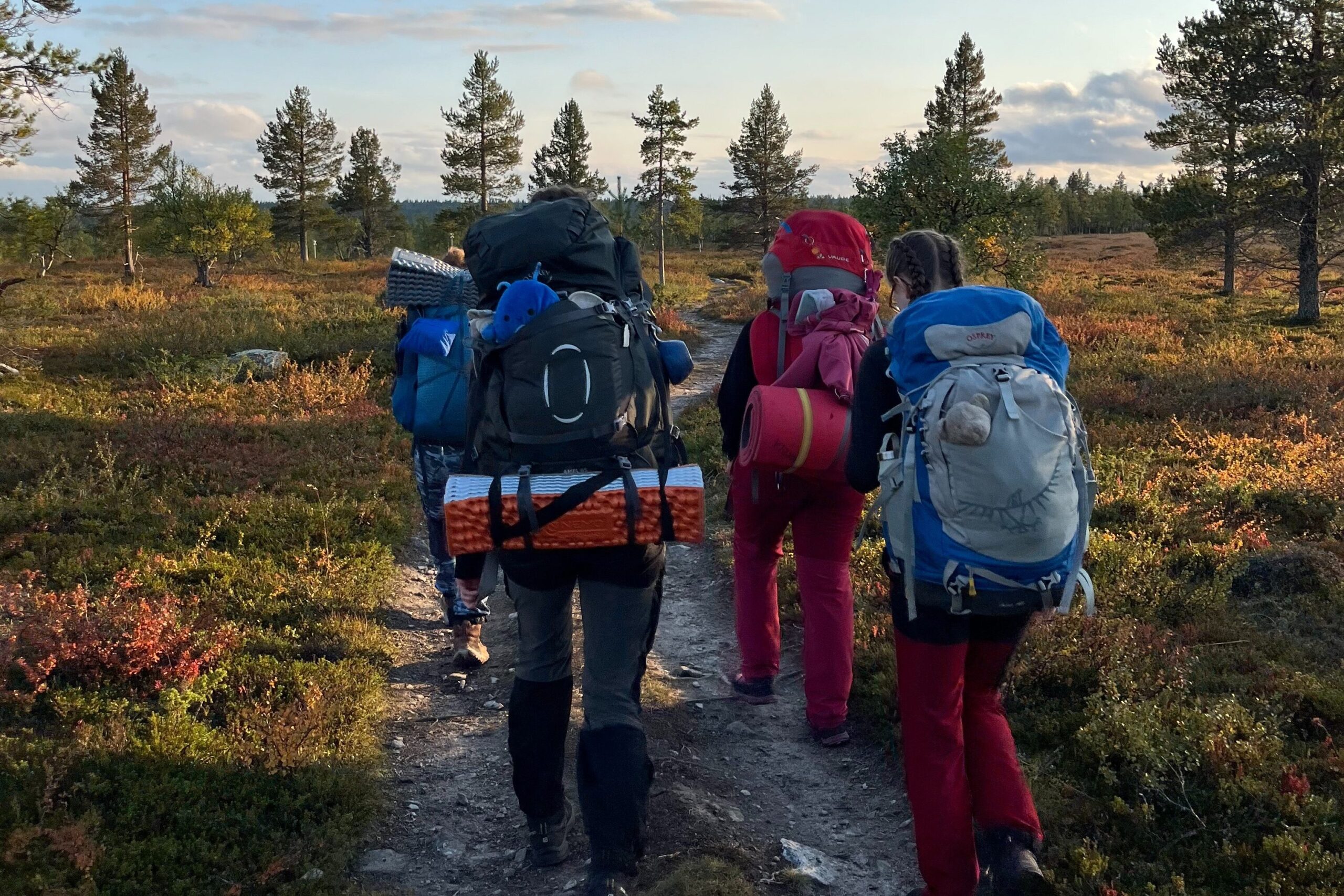
The foundations collect data and feedback from participating groups on completed trips.
“School reports show that children have become calmer and that the atmosphere has been very different from the classroom,” says Hakkarainen.
Reports also indicate that some children later returned to the same locations with their families. Ideally, Hakkarainen says, outdoor activities could become a shared family pastime.
She notes that although Finnish people are often described as having a close relationship with nature, this is not a reality for everyone. Not all schools are located near natural environments, and many lack the resources to travel further afield.
“It is possible that some children have never visited even their nearest national park.”
In such cases, a grant for transport can make a significant difference.
Expanding impact and reach
One reason many foundations joined the collaboration was to increase their impact.
“There is an old truth that together we achieve more,” says Mika Piiroinen of the Urlus Foundation.
The Urlus Foundation illustrates how organisations can take part even if environmental issues are not their primary focus.
“Although we are not directly focused on climate change, we are still very concerned about it,” Piiroinen says. The joint initiative aligned well with the foundation’s profile. “We already support children and young people in the Helsinki metropolitan labour market area.”
The collaboration has broadened the activities of several other foundations as well. Leena Rekola-Nieminen explains that the Starckjohann foundation deliberately sought new directions through the partnership. Previously, it had focused on Finnish war veterans, but as their numbers have declined, funding has become available for new, meaningful causes.
“We have been quite inward-looking, as we had established beneficiaries and long-term partners.”
Milla Karkulahti adds that the initiative aligned well with their foundation’s strategy, particularly after the concept was adjusted at their request to allow support for accompanying family members. This introduced an element of strengthening family wellbeing and everyday safety, which is part of the foundation’s strategy.
“In other words, the collaboration provided something we were missing and complemented our activities.”
The foundations also report tangible benefits from the project’s impact.
“Even the numbers alone are gratifying — each year 10,000 children and young people are out there messing about in the bushes, forests and even the fells,” Kuittinen says with a laugh.
Photos: Henna’s photo by Esa Salminen. Other photos courtesy of the organizations involved in the nature excursions.